How to Optimize Content Using AI Tools

How to Optimize Content Using AI Tools in 2024 In the ever-evolving landscape of digital marketing and content creation, AI tools have emerged as powerful allies in producing and optimizing high-quality content. From enhancing SEO to improving readability, these tools are revolutionizing the way marketers, bloggers, and businesses approach their content strategies. In this comprehensive blog post, we’ll explore various ways to optimize content using AI tools in 2024, backed by real-world applications, strategies, and tools to help you stay ahead of the competition. Why Content Optimization Matters Quality content alone isn’t enough to rank on search engines or convert readers into customers. Content optimization ensures that your content is discoverable, readable, authoritative, and engaging. By optimizing content, you improve its visibility, increase organic traffic, reduce bounce rates, and ultimately achieve better conversions. In 2024, with AI and machine learning at our fingertips, the process of content optimization has become smarter, more efficient, and highly effective. The Role of AI in Content Optimization AI can analyze massive datasets, understand context and patterns, and generate insights with remarkable precision. Here’s how AI is redefining content optimization: SEO Enhancement: Identify relevant keywords, suggest meta descriptions, and improve on-page SEO structure. Content Personalization: Deliver tailored content experiences based on user behavior and demographics. Performance Metrics: Analyze user engagement, bounce rates, and dwell time to refine content strategies. Automated Editing: Flag grammar errors, suggest stylistic changes, and enhance readability. Content Gap Discovery: Analyze competitors and uncover content opportunities to better serve your audience. Top AI Tools for Content Optimization in 2024 Let’s take a look at the top AI tools trending in 2024 that are helping marketers and writers optimize their content to achieve maximum impact. 1. Surfer SEO Surfer SEO is an exceptional AI tool that uses SERP data to help you write SEO-optimized content. It provides real-time insights on optimal word count, keyword density, heading structure, and even compares your content to top-ranking pages through its “Content Editor”. 2. Jasper.ai (formerly Jarvis) Jasper.ai is a generative AI writing assistant that also includes optimization features. Its integration with Surfer SEO helps you craft content with the right keywords and structure. Jasper can help generate blog posts, emails, headlines, and more. 3. GrammarlyGO Beyond basic grammar and spelling checks, GrammarlyGO now uses generative AI to suggest tone adjustments, rephrasing strategies, and clarity improvements customized for specific audiences. 4. Clearscope Clearscope offers a robust platform for optimizing content based on keyword recommendations, readability, and competitor analysis. Its content grading system indicates how well your content matches the current search intent. 5. MarketMuse MarketMuse analyzes your existing content inventory and provides content briefs, topic suggestions, and semantic keyword analysis to help build authoritative content that ranks better over time. 6. Frase.io Frase excels in content research and optimization by using AI to extract key questions, subtopics, and keyword entities from top-ranking content. It’s a great tool for creating comprehensive and user-intent-driven content. Step-By-Step Guide to Optimizing Content Using AI Let’s walk through a step-by-step method to fully optimize your content using a combination of AI tools. Step 1: Keyword & Topic Research Use AI tools like Frase, Surfer SEO, or Clearscope to identify high-ranking keywords, questions your audience is asking, and emerging search trends. Input a seed keyword to generate related keywords and phrases. Analyze search intent – informational, navigational, transactional. Choose long-tail keywords for improved ranking chances in niche segments. Step 2: Outline & Structure Content Use AI brief generators (such as in MarketMuse or Jasper) to structure your content around high-performing subheadings that align with SERP features. Use AI to determine the ideal word count range. Divide the post into well-structured sections with clear headers (H2/H3). Ensure the outline covers all related queries and subtopics. Step 3: Write Using AI Assistance Use tools like Jasper or Writesonic to begin drafting your content. These tools can maintain tone, context, and keyword usage while reducing repetitive work. Generate introduction and conclusion paragraphs quickly. Create meta descriptions and SEO-friendly titles using AI prompts. Refine tone based on brand voice and target audience personas. Step 4: Optimize for SEO Upload your draft content into Surfer, Clearscope, or Frase’s content editor for on-the-fly SEO feedback. Adjust keyword frequency, readability scores, and NLP-related terms. Ensure proper meta tags, alt tags on images, and internal linking strategies. Compare your SEO score against competitors and tweak the required sections accordingly. Step 5: Improve Readability and Style Use tools such as GrammarlyGO or Hemingway Editor to enhance readability and tone appropriateness. Scan for passive voice, long sentences, and adverb overuse. Simplify complex sentences and adjust tone (professional, friendly, conversational, etc.). Ensure it’s mobile-friendly and skim-readable with bullet points/lists. Step 6: Personalization & A/B Testing Advanced AI tools like Optimizely or Convert utilize machine learning models to deliver personalized content experiences. Swap headers, CTAs, or paragraph-level content for segmented audiences based on user behavior. Run A/B tests for content variations. Optimize content offering based on seasonality or location-based behavior patterns. Step 7: Monitor, Analyze and Re-optimize Using Google Analytics and AI-powered tools such as ContentKing or BrightEdge, keep an eye on performance metrics like engagement, bounce rate, and dwell time. Create scheduled content audits using AI tools. Detect ranking drops, missing backlinks, or performance anomalies in real-time. Benefits of Using AI for Content Optimization Consistency: Ensure a unifying tone, structure, and quality across all content assets. Scalability: Produce more high-performing content in a shorter span of time. Data-driven Decisions: AI removes guesswork and aligns content strategy with real-time data insights. Improved ROI: Higher traffic, better engagement, and increased conversions lead to enhanced ROI. Common Pitfalls to Avoid in AI-Powered Content Optimization Over-Optimization: Keyword stuffing and excessive AI automations can ruin user experience and hurt SEO rankings. Dependency on AI: AI should assist, not replace, human creativity and strategic thinking. Ignoring Search Intent: Ensure all AI-optimized content fulfills the original intent behind user queries. Not Fact-checking AI-Generated Content: AI can hallucinate or produce inaccurate data. Always verify. What’s Next? The Future of AI in
How to Use a Rapid URL Indexer for Better Search Rankings

Getting your website or blog indexed quickly by search engines is crucial, especially if you’re targeting trending topics or time-sensitive content. Waiting days or even weeks for Google or Bing to discover your page organically is no longer acceptable in a competitive SEO environment. That’s where Rapid URL Indexers come in. In this guide, we’ll break down what rapid URL indexers are, how they work, and how you can use them to boost your search engine visibility faster than traditional SEO methods. What Is a Rapid URL Indexer? A rapid URL indexer is a tool or service that helps your webpage URLs get discovered and indexed by search engines like Google and Bing almost instantly. These tools notify search engine crawlers directly or use indirect methods such as: Submitting URLs to indexing APIs Using third-party ping services Triggering bots via backlinks and social signals They’re especially useful for: New blog posts Updated content Time-sensitive landing pages E-commerce product listings Why Indexing Speed Matters in SEO The faster a URL gets indexed, the quicker it can start appearing in search results. Benefits of faster indexing: First-mover advantage on trending keywords Reduced risk of duplicate content being credited elsewhere Faster testing for new content strategies (A/B testing headlines, formats, etc.) Improved crawl budget efficiency for large websites In short, faster indexing means faster potential for ranking. How to Use a Rapid URL Indexer: Step-by-Step Step 1: Choose the Right Indexer Tool Some of the most popular and trusted rapid URL indexers include: IndexMeNow SpeedLinks.io Instant Link Indexer Google Indexing API (for JobPosting and BroadcastEvent schema pages) Bing URL Submission API Pro Tip: For Google, you can use the Indexing API for non-traditional content types like job postings or livestreams. Step 2: Prepare Your URL List Use your sitemap.xml or export URLs from Google Search Console. Ensure each URL is live, mobile-friendly, and has no crawl errors. Prioritize important URLs such as newly published content or high-converting landing pages. Step 3: Submit URLs via the Indexer Depending on your tool, you may: Upload a CSV or paste URLs in bulk Connect your Google or Bing API credentials Automate indexing through your CMS or plugins (like RankMath or IndexNow for WordPress) Example (Google Indexing API using Python): python CopyEdit POST https://indexing.googleapis.com/v3/urlNotifications:publish { “url”: “https://example.com/new-blog-post”, “type”: “URL_UPDATED” } Step 4: Monitor Results Check indexing status using: Google Search Console → URL Inspection Tool Bing Webmaster Tools → URL Submission History Your indexing tool’s dashboard (if available) Site-specific search on Google:site:yourdomain.com/your-url Step 5: Automate the Process For SEO agencies or large sites: Integrate rapid indexers with publishing workflows Use webhooks to auto-submit every time a post goes live Combine with rank tracking tools to monitor performance When Not to Use Rapid Indexers While powerful, rapid indexers aren’t always appropriate. Avoid using them for: Thin content pages Duplicate or low-value content Spammy backlinks or cloaked URLs Search engines may penalize sites that try to “force” indexation for low-quality or manipulative content. Best Practices for Using Rapid Indexers in 2025 Use schema markup to help crawlers understand your page Combine with social signals (share on X, Reddit, LinkedIn) Always follow Google’s Webmaster Guidelines Avoid over-indexing; quality > quantity Common Tools and Platforms That Support Rapid Indexing Tool Name Type Pricing Best For IndexMeNow Paid SaaS Starts at $49 Instant indexing of fresh content SpeedLinks.io Paid SaaS Credits-based Bulk submissions, automation Google Indexing API Free API Free News, job posts, livestreams RankMath (WordPress) Plugin + API Freemium IndexNow integration Bing IndexNow API Free API Free E-commerce, CMS-driven websites Final Thoughts In a digital landscape where speed wins, using a Rapid URL Indexer is no longer just an SEO hack—it’s becoming an essential part of modern indexing strategy. If you’re launching new pages, updating content regularly, or running a news-oriented website, rapid indexing ensures you stay ahead of the competition and reach your audience faster. FAQs What is the fastest way to get a URL indexed by Google? Using the Google Indexing API or submitting it via Search Console is the fastest way. Is using a URL indexer against Google’s rules? No, as long as you’re submitting high-quality, crawlable content, using approved APIs or methods is completely allowed. How long does rapid indexing take? Most tools claim indexing within minutes to hours, depending on the method and domain authority. Can I automate URL submissions? Yes, many tools offer automation or plugins for WordPress and other CMS platforms.
How Tampa Businesses Can Grow Their Online Presence in 2025 Using Local SEO

In 2025, Tampa is no longer just a coastal city—it’s a booming hub for law firms, real estate agencies, healthcare providers, e-commerce brands, and digital-first startups. But with more businesses going online, local competition is fiercer than ever. So how can your business stand out?The answer is Local SEO. At seoindexr, we specialize in helping Tampa-based businesses grow their online presence and become more visible where it matters most—on Google, Bing, and local maps. What Is Local SEO and Why Your Business Needs It Local SEO ensures your business appears when potential customers search for services “near me” or in your specific area. If your Tampa law firm, gym, or retail store doesn’t show up in local search results, you’re missing high-intent leads every single day. Here’s what Local SEO helps you achieve: Appear in the Google Map Pack (top 3 map results) Rank on the first page for local keywords Attract more phone calls, bookings, and walk-ins Build authority and credibility with online reviews And yes, seoindexr handles all of this for you. How Tampa Consumers Search in 2025: Understanding User Behavior Today’s Tampa consumer isn’t looking through flyers or waiting for ads—they’re Googling things like: “Best SEO agency in Tampa” “Lawyer near Ybor City open now” “Tampa dentist with great reviews” They make decisions in seconds.If your business isn’t showing up — you’re invisible. That’s why seoindexr helps local businesses target the exact keywords and search intent that bring real customers to your site. 5 Ways to Grow Your Tampa Business Using SEO Let’s break down how Local SEO actively helps you grow your business: 1. Rank Higher for Local Searches We ensure you rank for keywords like: “Tampa family lawyer” “Best digital marketing agency in Tampa” “SEO company near Hyde Park” We build location-specific landing pages, optimize metadata, and use structured data to help you rise in local search results. 2. Get Found on Google Maps Google Business Profile (GBP) is the new storefront. We: Claim and optimize your GBP listing Add images, services, and local keywords Get 5-star reviews from real clients Result: more calls, more directions clicked, more foot traffic. 3. Create Content That Builds Trust and Converts Blog posts, service pages, and location guides that answer your audience’s real questions: “How much does SEO cost in Tampa?” “Best real estate neighborhoods in Tampa 2025” “How to find a reputable law firm in Tampa” At seoindexr, we create that content for you—optimized to rank and convert. 4. Earn Authoritative Local Backlinks We help you build authority by getting featured in: Tampa Bay Business Journal Local event websites Neighborhood business listings Florida-based bloggers and influencers These backlinks increase both your rankings and your reputation. 5. Fix Technical Issues That Hold You Back Slow site? Mobile glitches? Confusing structure? seoindexr audits and fixes all technical SEO elements: Mobile responsiveness Page load speed Sitemap and robots.txt optimization Schema markup for LocalBusiness Secure HTTPS protocols Case Study: From Invisible to #1 in 6 Months A Tampa-based home improvement company partnered with seoindexr. Before us, they had: No Google Maps presence 2 organic leads per month Poor mobile performance After a 6-month campaign: Ranked #1 for “Tampa kitchen remodeler” 5X increase in local traffic 300% growth in leads from Google This is what real SEO looks like when done right. How Much Does SEO Cost in Tampa? seoindexr offers flexible, transparent pricing that delivers value. Plan Monthly Cost Features Starter $500 Basic local SEO, GBP setup, audit Growth $1200 Local SEO + blog content + backlinks Enterprise $2500+ Advanced SEO, multi-location, custom CRM analytics You only pay for what your business truly needs—no fluff, just ROI. 2025 SEO Trends Tampa Businesses Should Leverage The game is changing. Here’s what smart Tampa businesses are using: Voice Search: “OK Google, where’s the best lawyer near me?” AI-Driven Content: Tools like ChatGPT + expert editing for scale Short Video SEO: Ranking Instagram Reels, YouTube Shorts Hyperlocal Pages: Pages targeting Ybor, Hyde Park, South Tampa Reputation Management: Google review generation + reply templates At seoindexr, we stay ahead of the trends—so you do too. Why Choose seoindexr for Your Tampa SEO Needs? ✅ Tampa-first strategies tailored to your niche and neighborhood ✅ Dedicated SEO strategist for every client ✅ Real reports, real results — monthly progress breakdowns ✅ Google Business optimization done right ✅ Affordable plans for SMBs, startups, and growing enterprises We don’t just sell SEO.We grow businesses. Final Words: Let’s Grow Your Business — Together 2025 is your chance to win online in Tampa. The right SEO strategy can mean the difference between a trickle of traffic and a pipeline of high-quality leads. seoindexr is here to help. Whether you’re starting out or scaling up, we offer everything you need to grow your digital presence, rank in your city, and get more clients. 👉 Book your free audit today at seoindexr.com — and start dominating search in Tampa.
Oklahoma City SEO Services Guide 2025

In 2025, digital presence isn’t a luxury for Oklahoma City businesses—it’s the foundation of growth. As competition intensifies across industries, the importance of visibility in search engines, especially Google, has never been greater. While traditional advertising still holds some ground, the first place customers go to find services today is online. That’s where SEO comes in. Search engine optimization, or SEO, is the process of improving your website’s visibility in search engine results, ultimately leading to more organic traffic. For businesses in Oklahoma City, local SEO is the secret weapon to outperform competitors and establish dominance in a geographic market. Whether you’re a restaurant in Bricktown, a law firm downtown, or a tech startup in Midtown, optimizing your digital presence for local searches can dramatically increase traffic, leads, and conversions. This guide will walk you through the ins and outs of Oklahoma City SEO services in 2025—what’s changed, what matters, and how your business can stay ahead. Understanding the Role of Local SEO in Oklahoma City’s Business Ecosystem Local SEO is not just about rankings—it’s about relevance. Oklahoma City is home to a diverse and rapidly growing business environment. From oil and gas to hospitality, healthcare, education, and tech, the economic fabric of OKC is woven with enterprises that depend heavily on local engagement. As of 2025, mobile search behavior continues to surge, with voice and AI-driven queries becoming commonplace. A potential customer may no longer type “best plumber Oklahoma City” but instead ask Siri, “Who’s the best-rated plumber near me right now?” The search engine’s algorithm then relies on hyperlocal signals—business listings, reviews, website content, and proximity—to deliver answers. Businesses that fail to adapt to this dynamic landscape risk becoming invisible, even if they have a superior product or service. Why Local SEO Is More Important Than Ever in 2025 Google’s algorithms are smarter than ever. They now prioritize user experience, intent, and hyperlocal context over brute keyword usage. This means SEO isn’t about stuffing “Oklahoma City” into every paragraph—it’s about crafting a comprehensive digital presence that aligns with how users search and behave. In Oklahoma City, where local communities still value familiarity and trust, SEO serves not just as a traffic driver but as a credibility builder. A top-ranking business on Google Maps or local packs enjoys an immediate trust advantage, often outperforming even bigger brands that haven’t localized their strategy. Local SEO also helps smaller businesses compete against large national chains. With the right approach, a boutique bakery in Edmond or a family-owned roofing business in Moore can appear above larger franchises in search results—simply by being more locally relevant. Building a Strong Google Business Profile in OKC A Google Business Profile (formerly Google My Business) is often the first digital touchpoint a customer has with your business. It’s what appears in map results, local packs, and knowledge panels. But in 2025, a simple profile with hours and a phone number is no longer enough. Businesses that actively manage and enrich their profile are seeing significantly higher engagement. This means: Adding high-quality photos weekly Publishing updates and offers through Google Posts Responding to every review (positive or negative) Keeping categories accurate and consistent Using Q&A strategically by answering common customer questions in advance Take, for example, a local HVAC service in South OKC. By updating their GBP with seasonal offers, showing before/after installation photos, and maintaining a response time of under 24 hours to customer reviews, they not only improved rankings but also doubled their inquiry rate within six months. Google uses this kind of real-world business engagement as a quality signal—and so do your potential customers. Optimizing Website Content for Oklahoma City Searches While your Google Business Profile may attract initial attention, your website ultimately seals the deal. This is where most businesses miss the mark. They either create content that’s too generic or too keyword-stuffed to resonate. In 2025, successful Oklahoma City businesses are creating website content that strikes a balance between SEO signals and human readability. This includes building dedicated landing pages for different services, each optimized with locally relevant content and internal linking structures that guide users deeper into the site. For example, an Oklahoma City dental clinic should not only have a general “Services” page but also separate, SEO-optimized pages for “Teeth Whitening in OKC,” “Emergency Dental Services in Oklahoma City,” and “Cosmetic Dentistry near Nichols Hills.” Each of these pages should be written with real human intent in mind—answering common questions, sharing case studies or testimonials, and clearly presenting value propositions. Writing for Humans First, Search Engines Second One of the most overlooked principles in SEO is writing content that reads naturally. Google’s AI-based algorithms can now detect unnatural writing patterns, keyword stuffing, and content that provides no real value. Your content should: Educate your audience Address their specific pain points Share local examples and anecdotes Offer clear, actionable advice Feel personal and authentic Let’s say you’re an attorney in Downtown Oklahoma City. Instead of writing, “Top Criminal Defense Lawyer Oklahoma City,” consider writing a blog post titled, “What to Do If You’re Arrested in Oklahoma City: A Step-by-Step Guide.” Not only is this more engaging, but it also aligns with real search queries and user intent. The Importance of Online Reviews in Local Rankings Reputation isn’t just what people say to each other—it’s what they post online. Google’s algorithm places heavy weight on online reviews, particularly on your Google Business Profile. The number of reviews, average rating, review recency, and response rate all play a role in where your business ranks. In 2025, reviews are also being scanned semantically. That means the actual words people use in their reviews—like “fast service,” “great value,” or “best place in OKC”—are feeding directly into Google’s understanding of your brand’s relevance for certain queries. Businesses that are proactive in review generation—whether through automated follow-ups, QR-code feedback prompts, or in-store iPad kiosks—are outperforming those that treat reviews as an afterthought. Local Link Building and Authority Backlinks are still a core ranking signal in 2025,
Latest SEO Trends for 2025

Search Engine Optimization (SEO) is constantly evolving with advancements in technology, changes in search engine algorithms, and shifting user behavior. As we step into 2025, the SEO landscape is more dynamic than ever, driven by AI, user intent, and a growing demand for content personalization. In this blog, we will explore the most important SEO trends that digital marketers, content creators, and businesses must focus on to stay ahead of the competition in 2025. 1. AI-First Search Experience Search engines like Google are increasingly powered by artificial intelligence and machine learning models such as MUM (Multitask Unified Model) and Gemini. In 2025, search results are more context-aware than ever, analyzing language, images, videos, and intent in real-time. What it means for SEO:Optimize content for topics instead of just keywords. Structure your content to answer user intent comprehensively. Use entities, semantic keywords, and answer-based formats (like FAQs and how-tos). 2. First-Hand Experience & E-E-A-T Google’s emphasis on Experience, Expertise, Authoritativeness, and Trustworthiness (E-E-A-T) is growing stronger. The updated algorithms reward content written by individuals with actual experience over generic or AI-generated content. What it means for SEO:Showcase author bios with credentials, use quotes from experts, and include case studies, original data, or real-world insights in your blogs. Authenticity and credibility are key in 2025. 3. Visual and Multimodal Search Optimization Visual search continues to rise with tools like Google Lens and Pinterest Lens. In 2025, users are also increasingly using images, voice, and video to search. What it means for SEO:Optimize images with proper file names, alt text, structured data (like Schema.org), and WebP formats. Create short-form videos and tag them correctly with captions and transcripts. 4. Voice Search 2.0 and Conversational Queries With AI assistants and smart devices becoming commonplace, conversational queries are getting more complex. The new generation of voice search demands deeper and more accurate answers. What it means for SEO:Include long-tail, question-based keywords. Structure your content using FAQs, natural language, and schema markup to increase your chance of being a voice result. 5. SGE (Search Generative Experience) Optimization Google’s experimental Search Generative Experience (SGE) is likely to roll out globally in 2025. It uses generative AI to answer user queries directly on the search page, reducing traditional CTRs. What it means for SEO:Focus on content that answers specific questions fast. Use bullet points, tables, stats, and direct answers. Try to appear in AI snapshots by being the most concise and informative source. 6. Topical Authority Over Domain Authority In 2025, topical authority is becoming more influential than traditional domain metrics. Search engines want to know: Is your site the best source on this topic? What it means for SEO:Create content clusters. Cover every angle of your niche through supporting blogs, pillar pages, and internal linking. Consistent content in a niche builds topical relevance. 7. Zero-Click Results and Featured Snippets With more users finding what they need directly from the SERP, getting featured is more valuable than ever—but it also means fewer clicks. What it means for SEO:Format answers in concise paragraphs, lists, and tables. Add clear definitions and use headers (H2/H3) wisely. Featured snippets, People Also Ask, and knowledge panels are prime real estate. 8. Page Experience and Core Web Vitals 2.0 Core Web Vitals have evolved. Google is now considering new metrics in its ranking signals like Interaction to Next Paint (INP), improving how users experience interactivity. What it means for SEO:Ensure your site is mobile-first, loads in under 2.5 seconds, and responds smoothly to interactions. Use lazy loading, compress images, and implement proper caching strategies. 9. Local SEO With Hyper-Personalization In 2025, local SEO is no longer just about NAP citations and Google Business Profiles. It’s about hyper-local signals and contextual content. What it means for SEO:Create local landing pages with personalized content. Use local reviews, directions, nearby landmarks, and service-based queries to dominate local pack results. 10. Human-Centric, Trust-Driven Content With the flood of AI-generated text, users and algorithms are both valuing human-first content. This means well-structured, empathetic, and value-driven content wins. What it means for SEO:Go beyond keyword stuffing. Tell stories, solve problems, and build trust. Write as if you’re helping a friend, not just targeting a bot. Final Thoughts SEO in 2025 is not about chasing algorithms—it’s about understanding users. Whether you’re optimizing for AI-first search or building content clusters to boost topical authority, one thing remains constant: delivering genuine value. Stay adaptive, audit your content regularly, and invest in tools and training. The search landscape is changing, but those who keep users at the center will always rank higher.
The Future of SEO in 2025: Embracing Emerging Trends

In the rapidly evolving digital landscape, staying ahead of SEO trends is crucial for businesses aiming to maintain their online visibility. As we look toward 2025, several emerging trends are set to reshape the SEO landscape, particularly in the realms of artificial intelligence (AI), blockchain, fintech, and micro-niche industries. This blog explores these trends and offers insights on how to optimize your SEO strategy for the future. The Rise of Artificial Intelligence in SEO here some things we can look forward to Ai in Seo AI-Powered Content Creation One of the most significant trends in SEO is the integration of AI in content creation. In 2025, we can expect AI to play a pivotal role in generating high-quality, relevant content that resonates with target audiences. Tools like GPT-4 and beyond will enable marketers to create personalized content at scale, improving engagement rates and SEO performance. Enhanced User Experience Through AI Search engines are increasingly prioritizing user experience as a ranking factor. AI algorithms will analyze user behavior to provide personalized search results. Websites that leverage AI to enhance user experience, such as through chatbots or personalized recommendations, will likely rank higher in search results. Voice Search Optimization With voice-activated devices’ growing popularity, voice search optimization will be essential in 2025. AI advancements will lead to more natural language processing, making it crucial for businesses to incorporate conversational keywords and phrases into their content. Blockchain Technology and SEO Decentralized Search Engines Blockchain technology has the potential to revolutionize the way we think about search engines. In 2025, we may see the emergence of decentralized search engines that prioritize user privacy and data security. This shift could alter the dynamics of SEO, requiring businesses to adapt their strategies accordingly. Enhanced Data Transparency Blockchain’s inherent transparency can improve data accuracy and reliability in SEO. Marketers can leverage blockchain to verify backlinks and ensure their sources are credible, thus enhancing their authority in the eyes of search engines. Smart Contracts for SEO Services The use of smart contracts could streamline the process of hiring SEO services. Businesses may use blockchain to create contracts that automatically execute payments upon achieving specific SEO milestones, ensuring accountability and performance-based compensation. Fintech Innovations Impacting SEO The Growing Importance of Local SEO in Fintech As fintech companies continue to emerge, local SEO will become increasingly important. In 2025, businesses in the fintech sector will need to optimize their online presence for local search queries to attract customers in specific geographical areas. Content Marketing in Fintech Content marketing will play a crucial role in establishing authority in the fintech space. Creating informative, valuable content that addresses the pain points of potential customers will help fintech companies improve their SEO rankings and build trust. The Role of Reviews and Reputation Management Online reviews and reputation management will be vital for SEO success in the fintech industry. By encouraging satisfied customers to leave positive reviews, fintech companies can enhance their online reputation and improve their search rankings. Micro-Niche Industries and SEO Opportunities Identifying Micro-Niche Markets In 2025, businesses will increasingly focus on micro-niche markets to stand out in a crowded digital landscape. Identifying and targeting specific subcategories within broader industries will allow businesses to tailor their SEO strategies and attract highly targeted audiences. Long-Tail Keywords for Micro-Niche SEO Utilizing long-tail keywords will be essential for ranking in micro-niche markets. In 2025, effective keyword research will involve identifying specific phrases that potential customers use when searching for niche products or services, allowing businesses to optimize their content accordingly. Building Community and Engagement Micro-niche industries thrive on community engagement. Businesses should leverage social media and online forums to build relationships with their target audience, fostering loyalty and encouraging user-generated content that can enhance SEO. Conclusion: Preparing for the Future of SEO As we approach 2025, the landscape of SEO will be shaped by emerging technologies and trends. Businesses that embrace AI, blockchain, fintech innovations, and micro-niche strategies will be well-positioned to succeed in this dynamic environment. By staying informed and adapting to these changes, marketers can ensure their SEO strategies remain effective and relevant. In summary, the future of SEO is bright for those willing to innovate and adapt. By focusing on user experience, leveraging advanced technologies, and honing in on specific market segments, businesses can secure their place in the digital world of 2025 and beyond.
SEO for a Business in NYC
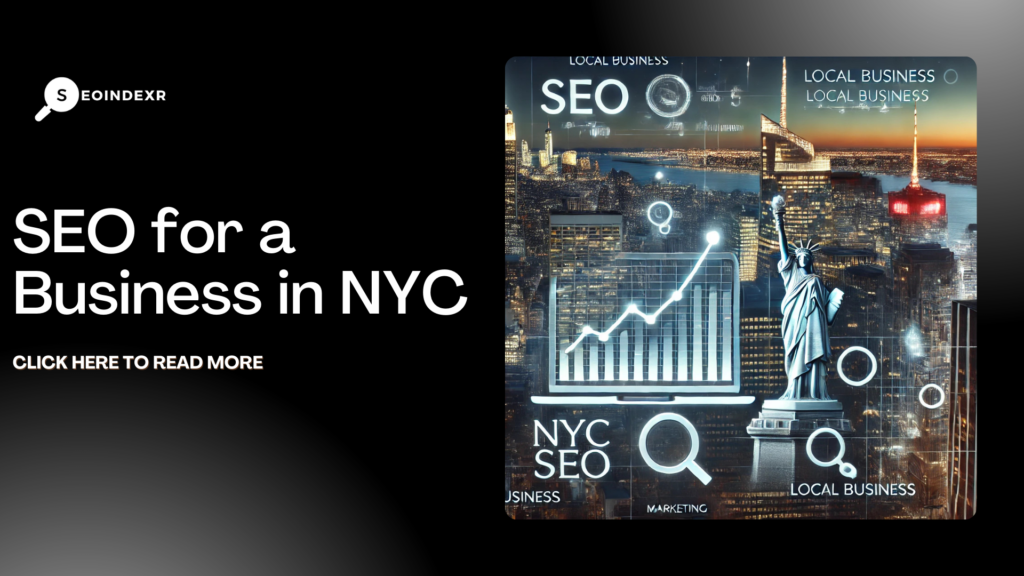
New York City is a vibrant hub of competition and opportunity. For businesses aiming to thrive in this bustling market, having a strong online presence is not just an option—it’s a necessity. Search Engine Optimization (SEO) can be the key to unlocking your NYC business’s full potential. In this blog post, we’ll explore actionable strategies and insights to help you optimize your digital footprint, attract local customers, and stand out in the city that never sleeps. Understanding the Importance of SEO for NYC Businesses SEO is the process of enhancing your website and online content to rank higher in search engine results pages (SERPs). When done right, it drives organic traffic, builds credibility, and ultimately converts online visits into real-world sales. In a city as competitive as New York, where consumers rely heavily on online search to find local services, a well-optimized website can mean the difference between being discovered or getting lost in the crowd. The NYC Edge Key SEO Strategies Tailored for NYC Businesses 1. Local Keyword Research Identifying the right keywords is the cornerstone of any SEO strategy. For a business in NYC: 2. Google My Business Optimization Your Google My Business (GMB) profile is a powerful tool for local SEO: 3. On-Page SEO Enhancements Your website should not only be visually appealing but also optimized for search engines: 4. Build Local Backlinks Backlinks from reputable, locally relevant sites can significantly enhance your site’s authority: 5. Leverage Social Media and Online Directories Social media platforms and online directories are critical for boosting local engagement: 6. Track Your Progress and Adapt SEO is not a “set it and forget it” strategy. Continuous monitoring and adjustment are key: Embracing the NYC Spirit Through SEO In a city as dynamic as New York, staying ahead in the digital landscape requires innovation, resilience, and a deep understanding of local trends. By investing in a robust SEO strategy, your business can capture the attention of local consumers, drive more traffic, and ultimately achieve sustainable growth. Whether you’re a startup in Brooklyn or an established firm in Manhattan, the principles of local SEO are universally applicable. With the right approach, you can navigate the competitive NYC market and create a strong online presence that resonates with your target audience. Final Thoughts SEO is more than just a buzzword—it’s an essential component of modern business strategy, especially in a diverse and competitive market like New York City. By implementing the strategies outlined above, your NYC business can enjoy increased visibility, higher search rankings, and a loyal customer base. Ready to elevate your local presence? Start optimizing your website today and watch as your NYC business climbs the search engine rankings! Frequently Asked Questions (FAQ) 1. What is SEO and why is it important for my NYC business?SEO (Search Engine Optimization) is the process of enhancing your website and online content to improve its ranking on search engine results pages. In NYC’s competitive market, an effective SEO strategy helps your business stand out, attract local customers, build credibility, and drive more organic traffic—all of which are critical for boosting sales and brand awareness. 2. What local SEO strategies should I focus on as a business in NYC?Focus on these core strategies: 3. How do I optimize my Google My Business (GMB) listing for better local visibility?To optimize your GMB listing: 4. How long does it typically take to see SEO results for a local business?SEO is a long-term investment. While you might notice some improvements within 3 to 6 months, significant results can vary based on industry competition, the effectiveness of your strategies, and ongoing optimization efforts. Consistency and patience are key, as SEO is an evolving process. 5. How can I acquire local backlinks to improve my website’s authority?Consider these approaches for building local backlinks: 6. Why is mobile optimization crucial for my NYC business website?Many New Yorkers use mobile devices for quick searches, directions, and on-the-go browsing. A mobile-optimized website ensures a seamless user experience, leading to lower bounce rates, higher engagement, and improved search engine rankings. This is essential in a city where consumers value speed and convenience. 7. What metrics should I track to measure the success of my SEO efforts?Key metrics include:
How to Build Discovery and Relevance for Search Engines
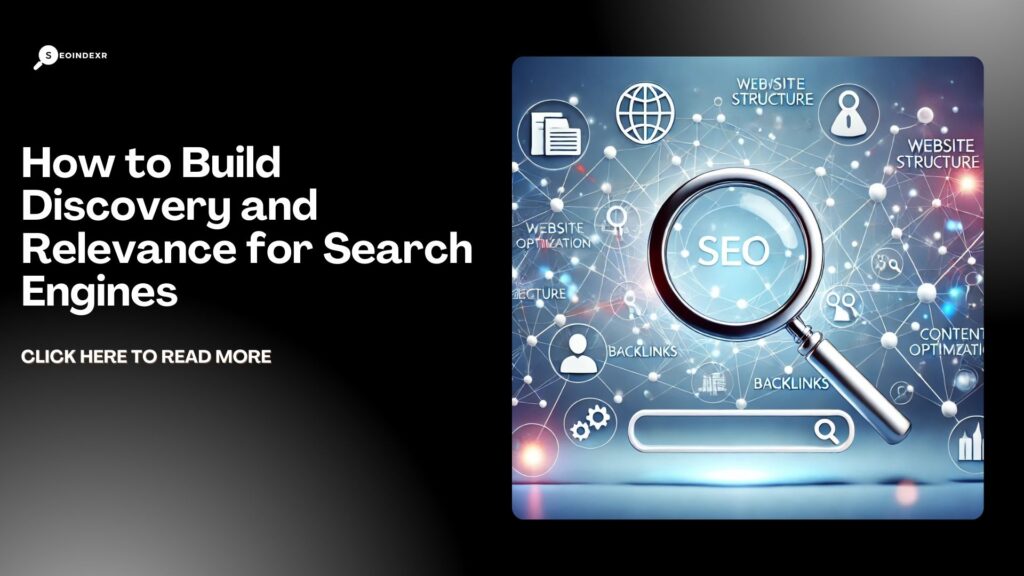
Search engines like Google, Bing, and Yahoo are the primary gateways for users to find relevant content online. If your website is not easily discoverable or lacks relevance in search results, you may miss out on significant traffic and business opportunities. In this blog, we will explore effective strategies to enhance your site’s discovery and relevance for search engines. Understanding Search Engine Discovery and Relevance Before diving into strategies, it’s important to understand these two core concepts: A well-optimized website ensures that search engines can both discover and rank it for relevant search terms. Strategies to Improve Search Engine Discovery 1. Optimize Website Structure and Navigation 2. Enhance URL Structure 3. Improve Internal Linking 4. Leverage Robots.txt and Meta Tags 5. Increase Website Speed and Performance 6. Submit Your Website to Search Engines Strategies to Improve Search Engine Relevance 1. Conduct Keyword Research and Optimization 2. Create High-Quality and Relevant Content 3. Optimize for Featured Snippets and Rich Results 4. Enhance Mobile-Friendliness 5. Build High-Quality Backlinks 6. Engage Users and Reduce Bounce Rate Conclusion Building discovery and relevance for search engines is a continuous process that requires strategic optimization, content excellence, and user engagement. By implementing the strategies outlined in this blog, you can improve your website’s visibility, attract more organic traffic, and enhance your search engine rankings. Need expert SEO services? Contact us today to boost your online presence!
Zero-Click Searches: How to Rank in a World Without Clicks
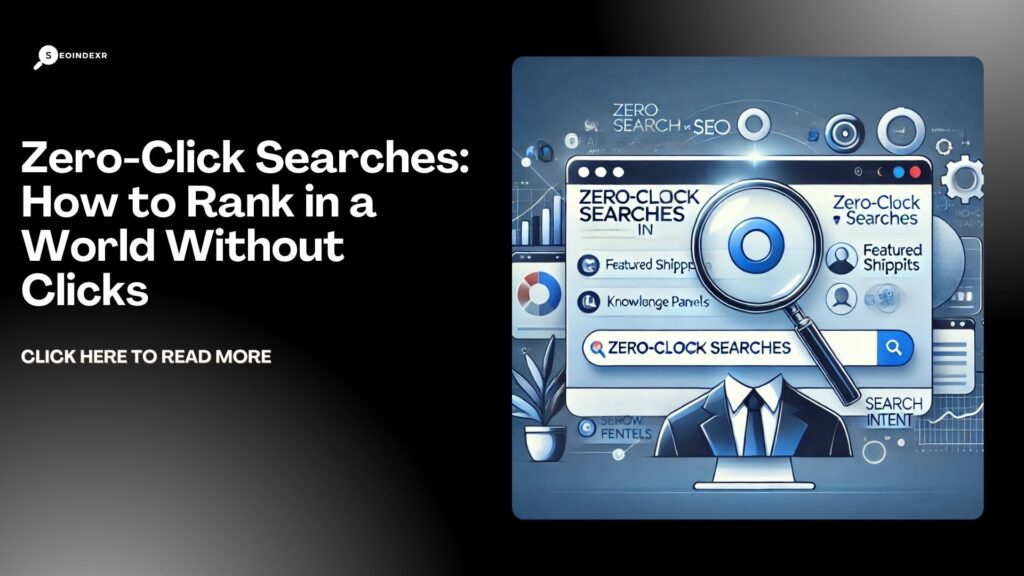
Zero-click searches are reshaping SEO by providing answers directly on the SERPs. With featured snippets, knowledge panels, and People Also Ask (PAA) sections dominating the results, understanding how to optimize for these features is essential. 1. Understanding Zero-Click Searches Zero-click searches occur when users get their answers directly from SERPs without clicking on a website. These searches are driven by Google’s knowledge graphs, featured snippets, and quick answers. Key Points: 2. Featured Snippets and How to Rank for Them Featured snippets appear at the top of SERPs and provide users with concise answers. To rank for snippets, businesses must structure content in a Q&A format, use bullet points, and provide clear, informative responses. Key Points: 3. People Also Ask (PAA) and SEO Google’s “People Also Ask” feature provides additional related questions and answers. Optimizing for PAA involves analyzing common queries in your niche and structuring content to provide detailed responses. Key Points: 4. The Role of Schema Markup in Zero-Click Searches Schema markup helps search engines understand website content better, improving visibility in rich snippets. Implementing structured data for articles, FAQs, and product pages enhances SERP appearance and boosts credibility. Key Points: 5. Optimizing for Local Zero-Click Searches Local businesses can leverage zero-click searches by optimizing for Google Business Profile. Accurate business information, customer reviews, and location-based keywords increase the chances of appearing in local search results. Key Points: 6. The Future of Zero-Click SEO As search engines continue prioritizing instant answers, businesses must shift their focus from just ranking to earning visibility in SERP features. Key Points: Conclusion Zero-click searches are here to stay, and optimizing for them is crucial for SEO success. By focusing on featured snippets and direct answers, businesses can still maintain visibility and authority in search results.
The Future of AI in SEO: How Machine Learning is Changing Search Rankings

Artificial Intelligence (AI) is revolutionizing the SEO industry by making search engines smarter and more intuitive. As AI-driven algorithms like Google’s RankBrain and BERT continue to evolve, understanding and leveraging AI for SEO is crucial for digital success. 1. AI and Search Engine Algorithms AI-driven search engines are becoming more sophisticated, prioritizing user intent rather than keyword stuffing. Google’s RankBrain and BERT utilize machine learning to provide better search results by understanding natural language and context. Key Points: 2. AI-Powered SEO Tools AI-driven tools like Jasper, Clearscope, and Surfer SEO are helping marketers optimize content efficiently. These tools analyze search patterns, suggest relevant keywords, and enhance content readability. Key Points: 3. Content Optimization with AI Creating AI-optimized content involves using structured data, schema markup, and NLP-based strategies. AI helps generate content that aligns with search engine expectations, improving readability and engagement. Key Points: 4. Predictive Analytics in SEO AI-powered predictive analytics help marketers forecast keyword trends and user behavior. By analyzing vast amounts of data, businesses can anticipate search demands and tailor their content strategies accordingly. Key Points: 5. AI and Voice Search Optimization Voice search is rapidly growing, with AI-driven assistants like Alexa and Google Assistant playing a key role. Optimizing for voice search requires focusing on conversational keywords and answering questions in a clear and concise manner. Key Points: 6. The Future of AI in SEO As AI technology advances, search engines will continue refining their algorithms to provide even more personalized search results. Businesses must stay updated with AI-driven changes to maintain a competitive edge in SEO. Key Points: Conclusion The rise of AI in SEO means that businesses must adapt to smarter search algorithms and leverage AI-powered tools to stay ahead of the competition. Artificial Intelligence (AI) is revolutionizing the SEO industry by making search engines smarter and more intuitive. As AI-driven algorithms like Google’s RankBrain and BERT continue to evolve, understanding and leveraging AI for SEO is crucial for digital success.